

Home / AIWON Blocks


Lighter by design. Stronger by standard.
AIWON AAC blocks replace red brick with one 600 × 200 mm block that is a third of the weight and covers 1.3 sq ft of wall. Made in two bases — sand and fly ash — and nine thicknesses, under BIS licence CM/L-7200272612 to IS 2185 (Part 3).
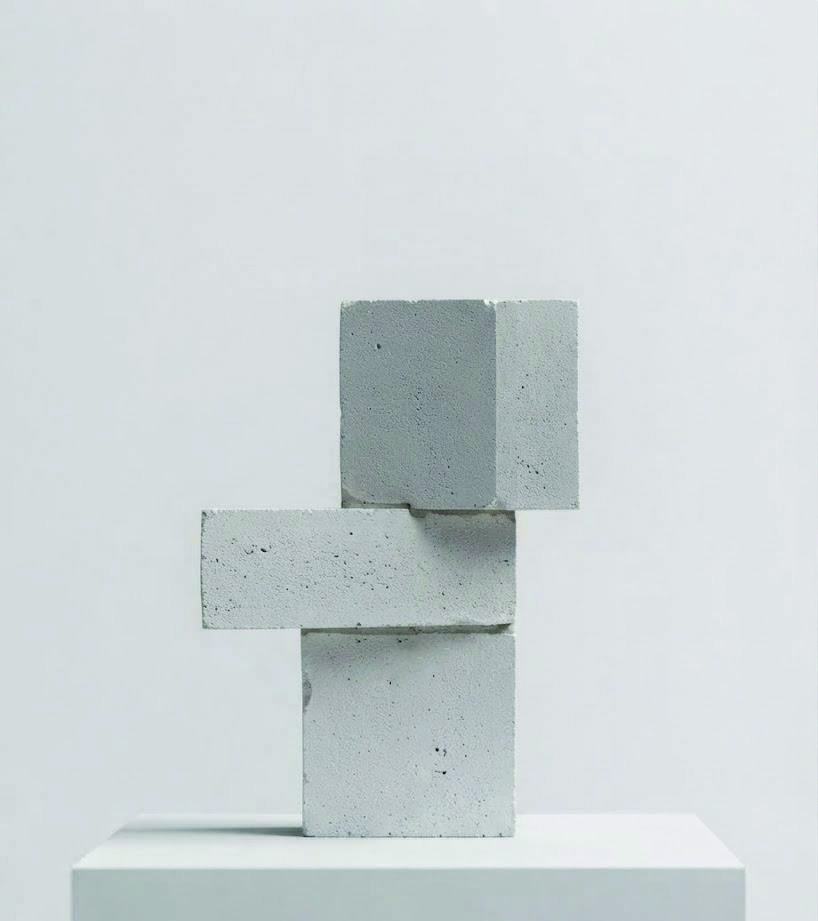
Pick a thickness
Each block is 600 mm long and 200 mm high. Choose how thick the wall should be — the drawing and the numbers follow.
Weights are as supplied, not oven-dry. Blocks per m² of wall allow for 3 mm AIWON Bond joints. AIWON Bond from the coverage on the bag: 110–120 sq ft of wall per 40 kg bag with 150 mm blocks.
Every size, one table
The same numbers our dispatch team uses to load trucks. They come straight from BRICKCEM ONE, so they are always the current list.
The specification
IS 2185 (Part 3) : 1984 sets the floor. Here is the floor, and where AIWON actually sits.
- Density
- Class 551–650 kg/m³. Average 630 kg/m³ in independent lab reports.
- Compressive strength
- Grade 1 asks for at least 4.0 N/mm² in this density class. Average 4.85 N/mm² — 21% above the minimum.
- Drying shrinkage
- At most 0.05% for Grade 1, 0.10% for Grade 2. Average 0.027%.
- Thermal conductivity
- No limit in the standard; lower keeps heat out. Average 0.17 W/m·K, against about 0.81 for red brick.
- Dimensions
- ±5 mm on length, ±3 mm on height and thickness allowed. Cut to ±2 mm on an automatic gantry.
- Fire
- Non-combustible. Withstands up to 1,200 °C for several hours.
- Sizes
- 600 × 200 mm face; 75, 100, 115, 125, 150, 200, 225, 230 and 300 mm thick.
- Licence
- BIS licence CM/L-7200272612, CII GreenPro ecolabel GPBCP551001.
Two bases, one recipe card
Sand-base blocks are pale grey; fly-ash blocks are a darker grey and put ash from power stations to use. Both are made on the same line to the same standard. The bars are the recipe, to scale.
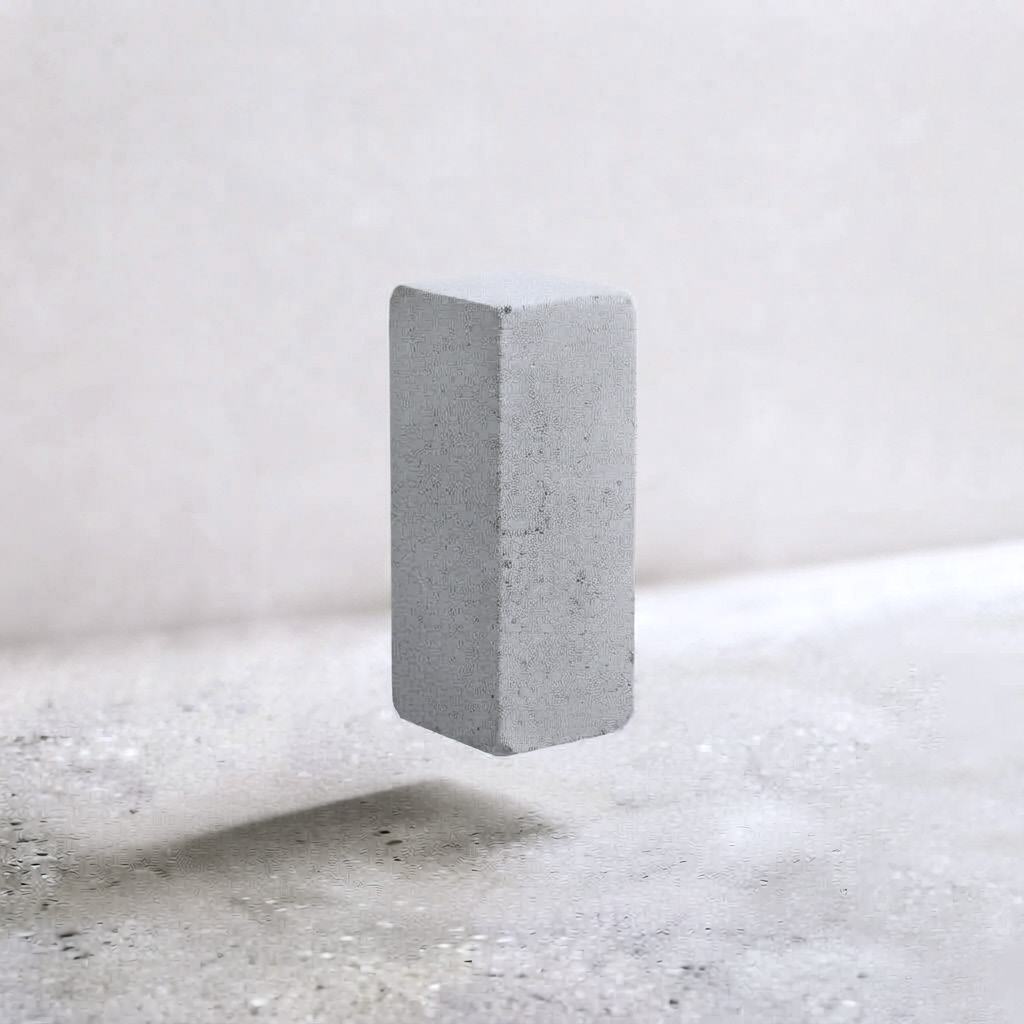
Sand base
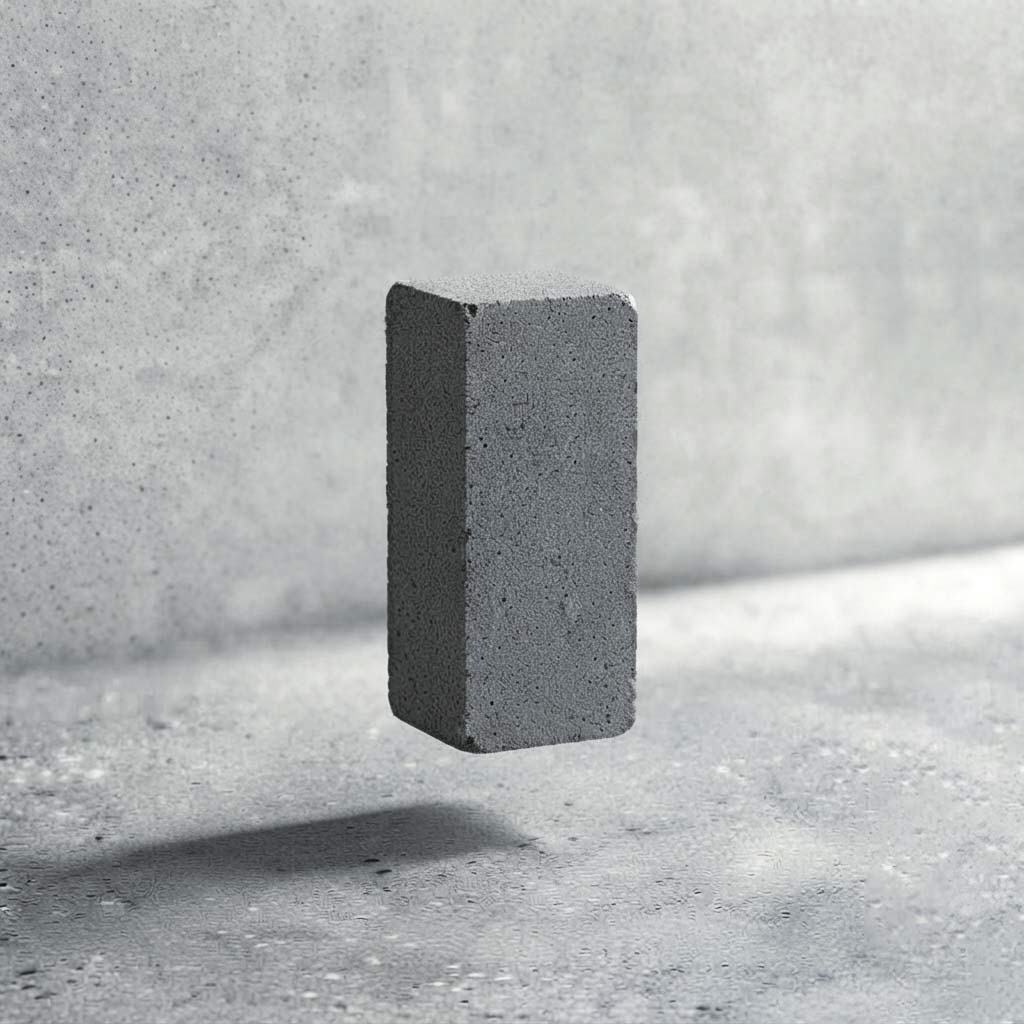
Fly ash base
The lighter part of a bar is the range. The aluminium powder is a tiny fraction of the mix — it is what makes the air.
What the air does for a building
The same closed cells that make a block float change how a wall behaves for the next fifty years.
- Lighter load
- Up to three times lighter than red brick. Less dead load means lighter beams, columns and footings — Brickcem estimates about 15% less structural steel.
- Cooler rooms
- Low conductivity slows the afternoon heat. Up to 30% less air-conditioning load. Try the afternoon test
- Fire
- Non-combustible by nature; withstands up to 1,200 °C for several hours.
- Sound
- Millions of small air pockets damp sound between rooms and from the street.
- Moisture
- Closed cells and thin joints keep seepage and damp out of the wall.
- Earthquakes
- A lighter building carries less force in a quake.
- Speed
- One block covers 1.3 sq ft, where it takes eight bricks to cover 1 sq ft. Masons lay nearly twice the wall in a day.
- Waste
- Negligible breakage and easy cutting: close to 100% of what arrives goes into the wall.
Build it right at the joints
AAC walls rarely crack in the middle. They crack where the block meets concrete, over openings and along long spans. Six details keep them sound — point at one to see where it goes.
Structural interface protocols (poster)Interface jointing details (poster)
Site conditions vary. Your structural engineer gives the final approval.
On site
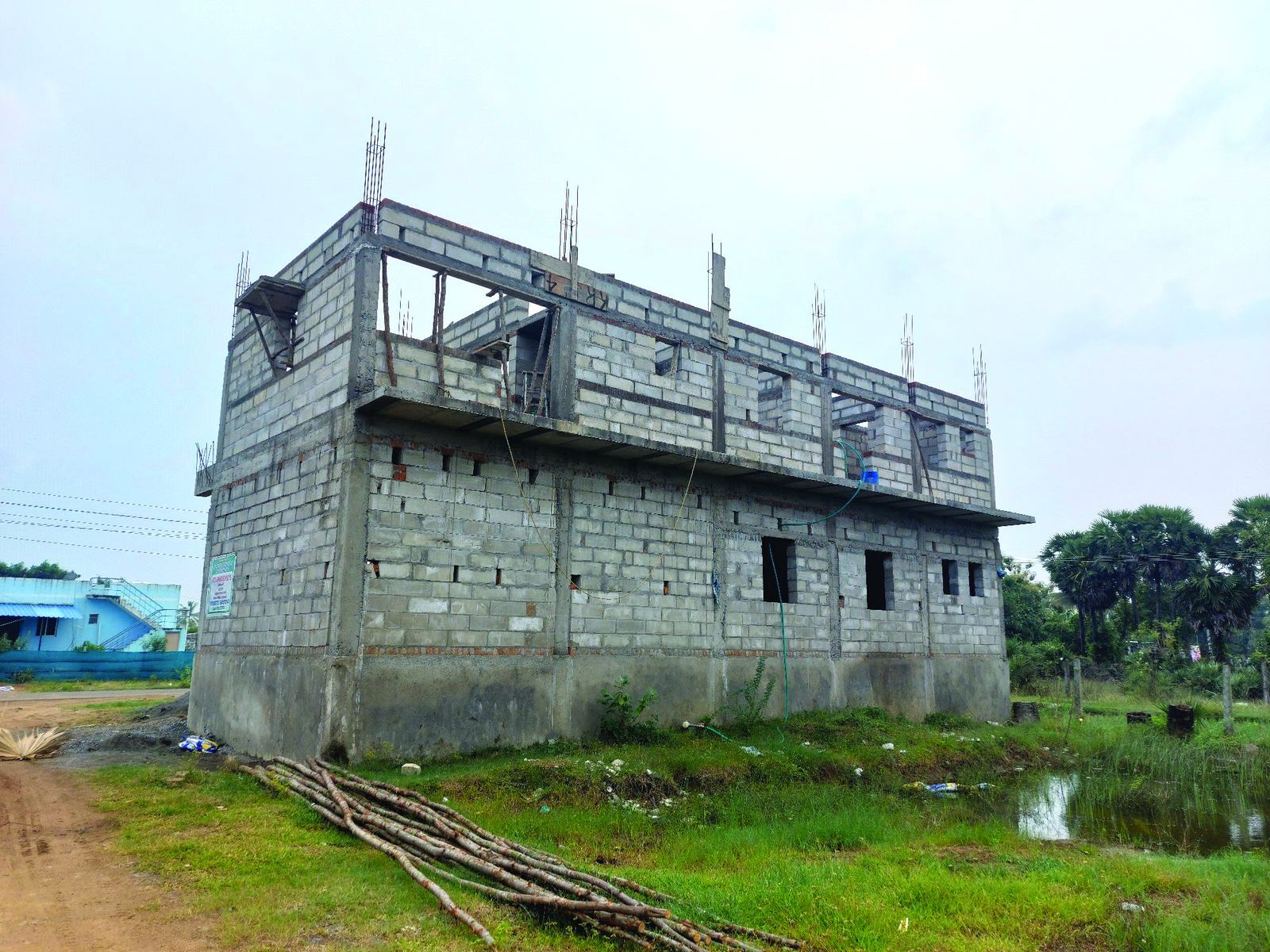
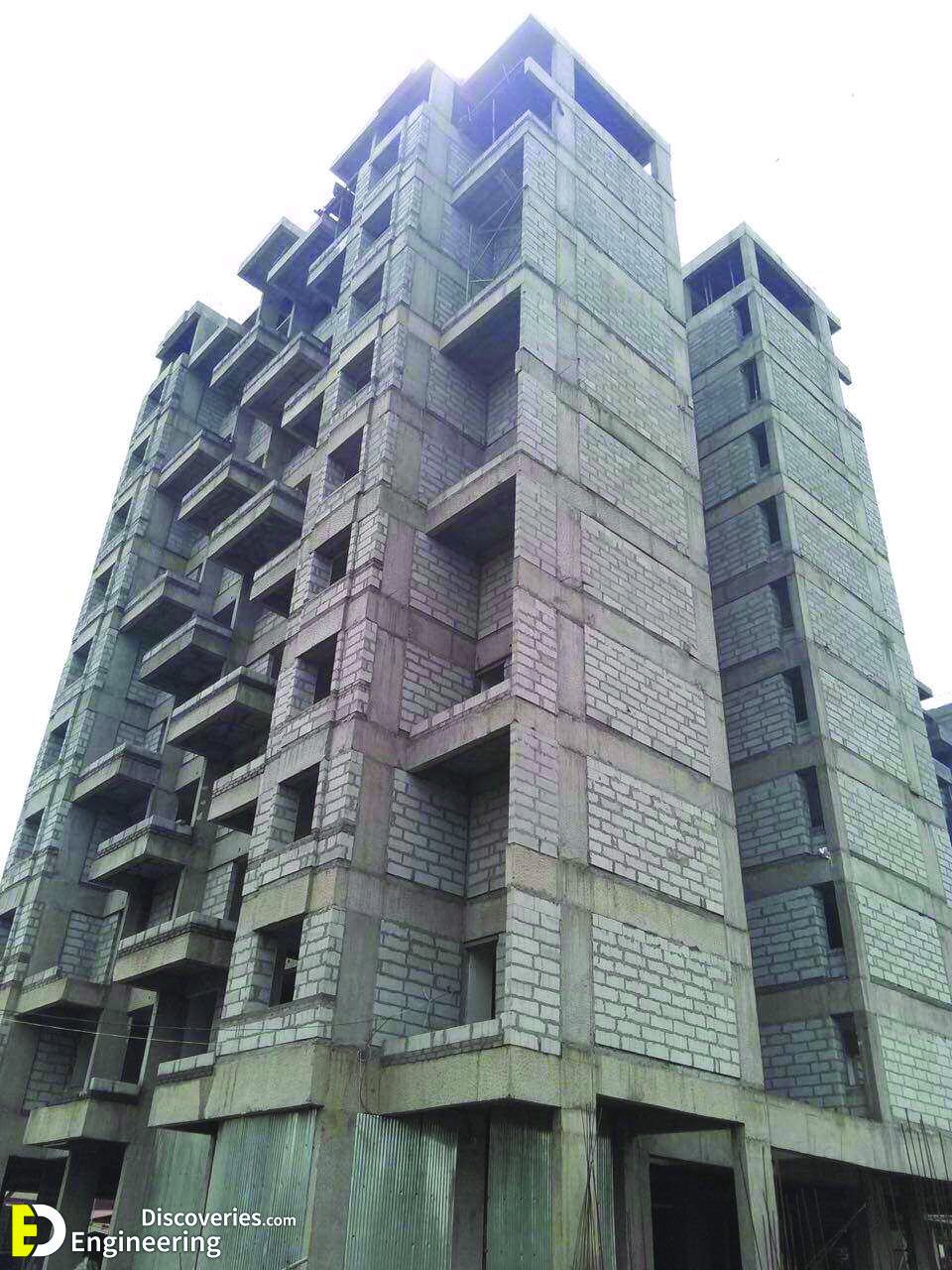
Projects built with AIWON
Ask for a sample block
Put it in a bucket. Take it to your lab. Then decide.